
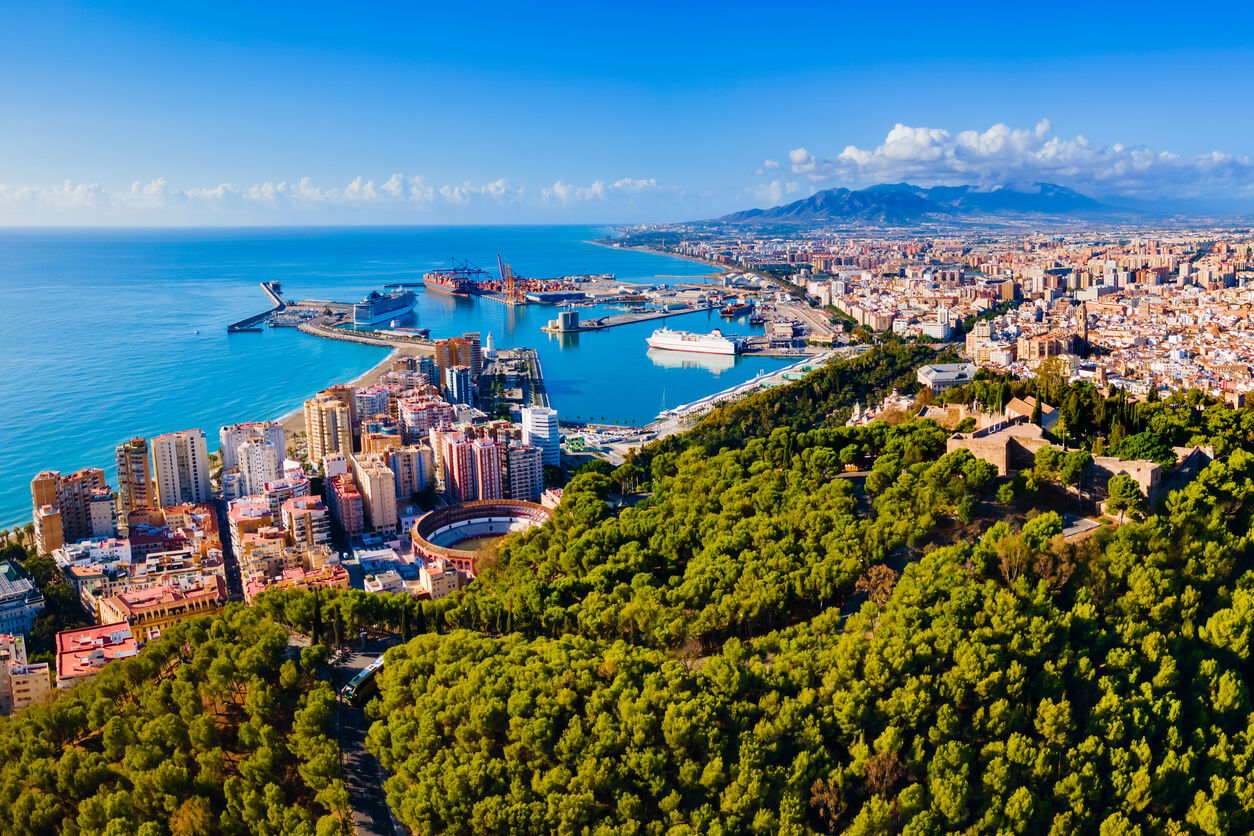
Costa Del Sol
Weather
Local Information
Plug Socket Type
Type C/F (European two-pin). Irish visitors need a travel adapter.
Currency
Euro
Time Zones
GMT+1 (1 hour ahead of Ireland in winter, same in summer — Spain uses CET).
Local Emergency Contact
112 (general emergency). Irish Embassy Madrid: +34 914 364 093. Consulate Malaga: +34 952 475 108.
Travel Information
Flight Time
Approximately 3 hours from Dublin to Malaga (AGP). Year-round Ryanair and Aer Lingus services.
Distance from Beach
All Costa del Sol resorts are beachfront or within short walking distance.
Do I need a Visa?
No. Spain is an EU member state. Irish citizens need only a valid passport or identity card.
3 Things to do in Costa Del Sol
Alhambra (Granada)
–The stunning Moorish palace complex, a day trip from the coast. Book tickets well in advance.
Caminito del Rey
–Thrilling walkway pinned to cliff faces above a gorge near Malaga. Reopened in 2015 after major restoration.
Malaga Picasso Museum
–World-class art museum in the city where Picasso was born, housed in a 16th-century palace.
Description
Experience the sun-drenched Costa del Sol, Spain's iconic southern coastline, offering vibrant resorts like Marbella and Torremolinos, charming white villages, world-class golf, and warm Andalusian hospitality.
The Costa del Sol is Spain's most famous holiday coast, stretching along the southern Mediterranean shoreline of Andalusia from Nerja in the east to Estepona in the west. The name means "Coast of the Sun" and it delivers — with over 320 sunny days per year, it is one of Europe's most reliable warm-weather destinations. The main resort towns are well known to Irish holidaymakers: Torremolinos and Fuengirola offer lively, family-friendly holidays with long sandy beaches, while Marbella and Puerto Banús add a touch of glamour with upscale dining, designer shopping and celebrity-spotting. The regional capital Málaga has transformed into one of Spain's most exciting cities, with world-class museums including the Picasso Museum and the Centre Pompidou. Beyond the coast, day trips to Granada's Alhambra, the white villages of the Andalusian hills and the historic city of Ronda add cultural depth to any beach holiday. Direct flights from Dublin and Cork reach Málaga in under three hours, and the Costa del Sol's combination of guaranteed sunshine, excellent beaches, authentic Spanish dining and vibrant nightlife has made it an enduring favourite with Irish travellers for decades.
Culture and Experiences
What's Nearby?
Malaga City
– Vibrant city with Picasso Museum, Moorish Alcazaba fortress, excellent tapas scene and regenerated port area.
Ronda
– Spectacular hilltop town straddling a dramatic gorge, famous for its bridge and bullring. 1.5 hours from the coast.
Gibraltar
– British territory at the southern tip of Spain. Famous Rock, Barbary macaques and duty-free shopping. 1.5 hours from Malaga.
History
Moorish Heritage
– The Moors ruled this region for nearly 800 years. The Alhambra in Granada and the Alcazaba in Malaga are outstanding survivors.
Roman Malaga
– The Roman theatre in Malaga city centre dates from the 1st century BC and is still used for performances today.
Tourism Boom
– The Costa del Sol's transformation from fishing villages to international resorts began in the 1960s, driven by cheap flights and sunshine.
Local Markets
Atarazanas Market, Malaga
– Beautiful 19th-century iron-and-glass market in Malaga city centre. Fresh produce, tapas bars and local atmosphere.
Rastro Markets
– Sunday flea markets in various towns along the coast. Fuengirola and Torremolinos have popular weekly markets.
Events and Festivals
Feria de Malaga (August)
– Week-long festival with flamenco, bullfighting, fireworks, music and dancing. The biggest party on the coast.
Semana Santa (Easter Week)
– Elaborate Holy Week processions through every town, with ornate floats (pasos) carried by brotherhoods.
Carnival (February)
– Malaga's carnival features costume parades, comedy competitions and street parties.
Local Etiquette
Meal Times
– Spanish meal times are later than Irish — lunch 2-4pm, dinner from 9pm. Many restaurants don't open for dinner until 8pm.
Tipping
– Not obligatory. Leaving small change or rounding up is common. 5-10% for good restaurant service.
Greeting
– A friendly 'Buenos dias' or 'Buenas tardes' when entering shops and restaurants is polite.
Dining and Night Life
Local Cuisine
Espetos de Sardinas
– Sardines skewered on bamboo and grilled over wood fires on the beach — the iconic Costa del Sol dish.
Gazpacho & Salmorejo
– Cold tomato soups perfect for hot days. Salmorejo is thicker and creamier, topped with egg and ham.
Pescaito Frito
– Mixed fried fish — a Malaga speciality found in chiringuitos (beach restaurants) along the coast.
Tapas Culture
– Free tapas with drinks is common in Malaga city. Elsewhere, tapas bars offer affordable, varied eating.
Night Life
Puerto Banus
– Marbella's famous marina with upscale bars, clubs and celebrity-spotting along the waterfront.
Benalmadena Puerto Marina
– Award-winning marina with bars, restaurants and clubs in a striking architectural setting.
Torremolinos & Fuengirola
– Bustling bar scenes with live music, karaoke, Irish pubs and late-night entertainment.

Read Time: 5 mins
Torremolinos was the original Costa del Sol resort — the place where mass tourism on Spain's southern coast began in the nineteen-sixties — and it has reinvented itself impressively for the modern era. Today it offers some of the best beaches on the coast, a genuinely excellent tapas scene, a relaxed and inclusive atmosphere, and the convenience of being the closest resort to Malaga Airport. For Irish visitors who want a classic Costa del Sol holiday with good food, good beaches and easy access, Torremolinos is a smart choice.
Location and Getting There
Torremolinos is just eight kilometres from Malaga Airport (AGP) — you can be at your hotel within fifteen minutes of landing. The flight from Dublin takes around two and a half hours. The resort is also connected to the airport and Malaga city by the suburban train (cercanias), making car-free holidays easy.
Beaches
Playa de la Carihuela is one of the finest beaches on the Costa del Sol — a long stretch of golden sand backed by a traditional fishing village that has retained its character despite development all around it. The chiringuitos (beach restaurants) along La Carihuela serve some of the best fried fish on the coast. Playa del Bajondillo is the central resort beach, wide and well-equipped. Playa de los Alamos extends south towards Benalmadena. All beaches have full facilities and good water quality.
Spanish beaches are generally well maintained and regulated, with Blue Flag status widely held across the major resort areas. Most resort beaches have sunbed and parasol hire, lifeguard stations, shower facilities and nearby chiringuitos (beach bars) serving cold drinks and snacks. The Mediterranean sea is calm and warm from June through October, with water temperatures peaking around twenty-five degrees in August. The concept of the chiringuito — a simple beachside restaurant serving fresh fish, paella and cold beer — is central to the Spanish beach experience and represents some of the best-value eating on the coast.
Things to Do
The Calle San Miguel, a pedestrianised shopping street that runs steeply from the town centre down to the beach, is the main commercial artery and a pleasant place to browse and stop for coffee. Crocodile Park is a quirky family attraction. Nearby Benalmadena offers the Tivoli World amusement park, the Selwo Marina aquarium, and the cable car to the top of Mount Calamorro. Malaga city, just twenty minutes by train, has world-class museums (the Picasso Museum, the Carmen Thyssen Museum, the Centre Pompidou), an Alcazaba fortress and a vibrant food scene. Day trips to Granada, Ronda and the white villages of Andalusia are all feasible.
One of the great advantages of a Spanish holiday is the depth of cultural experiences available within easy reach of the beach resorts. Nearly every resort has a traditional old town or nearby village where you can experience authentic Spanish life — weekly markets selling local produce, parish churches with ornate interiors, and family-run restaurants serving dishes made from recipes handed down through generations. Spain also has an excellent network of public transport, making day trips to major cities and cultural sites straightforward. Museum cards and tourist passes often offer excellent value for families planning multiple visits to attractions.
Dining and Nightlife
La Carihuela's beachside chiringuitos are the dining highlight — espeto de sardinas (sardines grilled on bamboo skewers over an open fire on the beach) is the signature dish of the entire Costa del Sol, and La Carihuela does it best. The area also has excellent seafood restaurants and traditional tapas bars. The town centre has a wide range of dining options. Torremolinos has a friendly, inclusive nightlife scene with bars, clubs and entertainment venues. The La Nogalera area is the heart of the town's well-established LGBTQ+ scene.
The Spanish approach to eating is one of the great pleasures of a holiday. The tapas tradition encourages grazing, sharing and trying multiple small dishes — it is a social, convivial way to eat that suits groups, couples and families equally well. Each region of Spain has its own food identity and speciality dishes, so eating your way along the coast is a journey in itself. Spanish wine is extraordinary value — excellent Rioja, Ribera del Duero, Rueda and Cava can be enjoyed in restaurants at prices that would be unthinkable in Ireland. For self-caterers, Spanish supermarkets offer exceptional quality and value on local wines, olive oil, cheese and cured meats.
Best Time to Visit
Year-round sunshine, with over three hundred sunny days annually. Summer reaches thirty-two degrees, winter stays around fifteen to eighteen. Beach season runs from May to October. Torremolinos is a year-round destination.
Practical Information for Irish Visitors
Spain is in the EU. Euro, no visa. One hour ahead of Ireland. English widely spoken.
Spain's excellent healthcare system is accessible to Irish visitors through the European Health Insurance Card (EHIC), though travel insurance is always recommended. Pharmacies are identified by a green cross and are well stocked — pharmacists can advise on and dispense remedies for common complaints. Spain operates on a later daily schedule than Ireland — lunch is typically from two to four in the afternoon, and dinner rarely starts before nine. Adapting to this rhythm is part of the pleasure of a Spanish holiday. Supermarkets in resort areas stock familiar brands alongside excellent-value local wines, olive oil, cheese and cured meats. Mobile phone roaming within the EU means your Irish plan works in Spain at no extra cost.
Why Book with Sunholidays.ie
Sunholidays.ie is Irish-owned and IAA licensed (Licence No. T0601). Twenty euro per person deposit, monthly payments, price match guarantee. The shortest transfer on the Costa del Sol makes Torremolinos ideal for families wanting minimal travel time.

Read Time: 5 mins
Fuengirola is a genuine Spanish town that doubles as one of the Costa del Sol's most popular family holiday destinations. It has a real town centre with shops, a market, a Moorish castle and a busy promenade, alongside seven kilometres of sandy beach, a modern marina and an excellent zoo. The large resident Irish and British community has given Fuengirola a comfortably familiar feel without sacrificing its Spanish character. For Irish families and couples who want an authentic Spanish seaside town with excellent facilities, Fuengirola is a dependable and enjoyable choice.
Location and Getting There
Fuengirola is on the Costa del Sol, approximately thirty minutes from Malaga Airport (AGP). The flight from Dublin takes around two and a half hours. The resort is connected to the airport and Malaga by suburban train, making transfers easy and affordable.
Beaches
Fuengirola's beach is one long, unbroken stretch of golden sand running for seven kilometres along the coast. It is divided into named sections — Playa de los Boliches, Playa de Fuengirola, Playa del Castillo and others — but it is essentially one continuous beach. It is wide, well-maintained, with sunbeds and parasols available throughout, and lifeguards in summer. The chiringuitos (beach restaurants) are a feature of the beachfront, serving fresh fish and cold drinks right on the sand.
Spanish beaches are generally well maintained and regulated, with Blue Flag status widely held across the major resort areas. Most resort beaches have sunbed and parasol hire, lifeguard stations, shower facilities and nearby chiringuitos (beach bars) serving cold drinks and snacks. The Mediterranean sea is calm and warm from June through October, with water temperatures peaking around twenty-five degrees in August. The concept of the chiringuito — a simple beachside restaurant serving fresh fish, paella and cold beer — is central to the Spanish beach experience and represents some of the best-value eating on the coast.
Things to Do
Bioparc Fuengirola is a modern zoo set in recreated natural habitats — it is one of the best zoos in Spain and a guaranteed family favourite. Sohail Castle, a Moorish fortress on the hillside at the western end of town, hosts summer concerts and has good views over the coast. The Tuesday market (one of the biggest on the Costa del Sol) is an experience in itself. The promenade is seven kilometres of seafront walking, connecting to Benalmadena in one direction and La Cala de Mijas in the other. Mijas Pueblo, a whitewashed hillside village, is a short drive inland and offers a glimpse of traditional Andalusia. Day trips to Malaga, Ronda and the Alhambra in Granada are all feasible.
One of the great advantages of a Spanish holiday is the depth of cultural experiences available within easy reach of the beach resorts. Nearly every resort has a traditional old town or nearby village where you can experience authentic Spanish life — weekly markets selling local produce, parish churches with ornate interiors, and family-run restaurants serving dishes made from recipes handed down through generations. Spain also has an excellent network of public transport, making day trips to major cities and cultural sites straightforward. Museum cards and tourist passes often offer excellent value for families planning multiple visits to attractions.
Dining and Nightlife
Fuengirola has an excellent dining scene. The Los Boliches area has traditional fish restaurants, the town centre has tapas bars, and the beachfront chiringuitos serve espeto de sardinas and fresh seafood. The international community means you will also find Irish pubs, Indian restaurants and every other cuisine. The main square (Plaza de la Constitucion) is a pleasant spot for an evening drink. Nightlife is moderate — bars, live music and a relaxed social scene rather than megaclubs. The Mijas Coast area nearby has some more upmarket dining options.
The Spanish approach to eating is one of the great pleasures of a holiday. The tapas tradition encourages grazing, sharing and trying multiple small dishes — it is a social, convivial way to eat that suits groups, couples and families equally well. Each region of Spain has its own food identity and speciality dishes, so eating your way along the coast is a journey in itself. Spanish wine is extraordinary value — excellent Rioja, Ribera del Duero, Rueda and Cava can be enjoyed in restaurants at prices that would be unthinkable in Ireland. For self-caterers, Spanish supermarkets offer exceptional quality and value on local wines, olive oil, cheese and cured meats.
Best Time to Visit
Over three hundred days of sunshine annually. Fuengirola works year-round. Beach season May to October. The mild winter climate attracts many long-stay visitors from Ireland and the UK. June and September offer the best balance of heat and crowd levels.
Practical Information for Irish Visitors
Spain is in the EU. Euro, no visa. One hour ahead of Ireland. English is very widely spoken, and there is a well-established Irish community.
Spain's excellent healthcare system is accessible to Irish visitors through the European Health Insurance Card (EHIC), though travel insurance is always recommended. Pharmacies are identified by a green cross and are well stocked — pharmacists can advise on and dispense remedies for common complaints. Spain operates on a later daily schedule than Ireland — lunch is typically from two to four in the afternoon, and dinner rarely starts before nine. Adapting to this rhythm is part of the pleasure of a Spanish holiday. Supermarkets in resort areas stock familiar brands alongside excellent-value local wines, olive oil, cheese and cured meats. Mobile phone roaming within the EU means your Irish plan works in Spain at no extra cost.
Why Book with Sunholidays.ie
Sunholidays.ie is Irish-owned and IAA licensed (Licence No. T0601). Twenty euro per person deposit, monthly payments, price match guarantee. Fuengirola offers outstanding value for money — the team can find the right hotel for your family holiday.

Read Time: 5 mins
Marbella is the Costa del Sol's most glamorous address, a resort city that effortlessly combines a beautiful historic old town, world-class dining and the legendary marina of Puerto Banus with excellent beaches and reliable Andalusian sunshine. While Marbella's reputation for luxury is well established — superyachts, designer boutiques and celebrity sightings are part of the scenery — the resort also offers a more accessible side, with family-friendly beaches, affordable tapas bars in the old town and a genuine Spanish character that survives beneath the glitz.
Location and Getting There
Marbella is on the Costa del Sol, approximately forty-five minutes west of Malaga Airport (AGP). The flight from Dublin takes around two and a half hours. The resort stretches along twenty-seven kilometres of coastline, with the old town, the Golden Mile and Puerto Banus as the main focal points.
Beaches
Marbella has over twenty beaches along its coastline. The most central is Playa de la Fontanilla, a pleasant golden sand beach near the old town. The beaches along the Golden Mile between Marbella and Puerto Banus have a more exclusive feel, with beach clubs and high-end chiringuitos (beach restaurants). Nikki Beach and Ocean Club are among the most famous beach clubs in the Mediterranean. Playa de Puerto Banus is a wide beach with a lively atmosphere. Further from the centre, quieter stretches of sand can be found in both directions.
Spanish beaches are generally well maintained and regulated, with Blue Flag status widely held across the major resort areas. Most resort beaches have sunbed and parasol hire, lifeguard stations, shower facilities and nearby chiringuitos (beach bars) serving cold drinks and snacks. The Mediterranean sea is calm and warm from June through October, with water temperatures peaking around twenty-five degrees in August. The concept of the chiringuito — a simple beachside restaurant serving fresh fish, paella and cold beer — is central to the Spanish beach experience and represents some of the best-value eating on the coast.
Things to Do
The old town (Casco Antiguo) is a delight — narrow whitewashed streets, flower-filled squares, traditional tapas bars and the orange-tree-lined Plaza de los Naranjos. Puerto Banus marina is the ultimate people-watching destination, with luxury yachts, sports cars, designer shops and restaurants. The Marbella promenade, running for several kilometres along the seafront, is perfect for walking and cycling. Golf is a major draw, with over a dozen courses in the area — Marbella is one of Europe's premier golf destinations. For families, Funny Beach amusement park and the nearby Selwo Aventura wildlife park provide entertainment.
One of the great advantages of a Spanish holiday is the depth of cultural experiences available within easy reach of the beach resorts. Nearly every resort has a traditional old town or nearby village where you can experience authentic Spanish life — weekly markets selling local produce, parish churches with ornate interiors, and family-run restaurants serving dishes made from recipes handed down through generations. Spain also has an excellent network of public transport, making day trips to major cities and cultural sites straightforward. Museum cards and tourist passes often offer excellent value for families planning multiple visits to attractions.
Dining and Nightlife
Marbella's dining scene is outstanding. The old town has traditional Andalusian tapas bars serving some of the best value food on the Costa del Sol. Puerto Banus and the Golden Mile have high-end restaurants, Michelin-star dining and celebrity-chef establishments. Beach clubs serve Mediterranean fusion cuisine. The range is enormous — from a two-euro tapa in the old town to a champagne dinner at a marina-view restaurant. Nightlife is varied — Puerto Banus has exclusive clubs and cocktail bars, while the old town has a more local, relaxed bar scene.
The Spanish approach to eating is one of the great pleasures of a holiday. The tapas tradition encourages grazing, sharing and trying multiple small dishes — it is a social, convivial way to eat that suits groups, couples and families equally well. Each region of Spain has its own food identity and speciality dishes, so eating your way along the coast is a journey in itself. Spanish wine is extraordinary value — excellent Rioja, Ribera del Duero, Rueda and Cava can be enjoyed in restaurants at prices that would be unthinkable in Ireland. For self-caterers, Spanish supermarkets offer exceptional quality and value on local wines, olive oil, cheese and cured meats.
Best Time to Visit
The Costa del Sol has over three hundred days of sunshine. Summer temperatures reach thirty to thirty-five degrees. Marbella is a year-round destination, with mild winters attracting golfers and long-stay visitors. June and September are ideal for beach holidays — warm but not oppressively hot.
Practical Information for Irish Visitors
Spain is in the EU. Euro, no visa. One hour ahead of Ireland. English widely spoken.
Spain's excellent healthcare system is accessible to Irish visitors through the European Health Insurance Card (EHIC), though travel insurance is always recommended. Pharmacies are identified by a green cross and are well stocked — pharmacists can advise on and dispense remedies for common complaints. Spain operates on a later daily schedule than Ireland — lunch is typically from two to four in the afternoon, and dinner rarely starts before nine. Adapting to this rhythm is part of the pleasure of a Spanish holiday. Supermarkets in resort areas stock familiar brands alongside excellent-value local wines, olive oil, cheese and cured meats. Mobile phone roaming within the EU means your Irish plan works in Spain at no extra cost.
Why Book with Sunholidays.ie
Sunholidays.ie is Irish-owned and IAA licensed (Licence No. T0601). Twenty euro per person deposit, monthly payments, price match guarantee. The team can find Marbella options across every budget — luxury is not the only option here.

Read Time: 5 mins
Benalmadena is one of the Costa del Sol's most family-friendly resorts, offering a beautiful award-winning marina, a cable car to a mountain viewpoint, the Tivoli World amusement park and a long sandy beach — all within a compact, walkable area. The resort sits between Torremolinos and Fuengirola and benefits from its neighbours' amenities while maintaining its own distinct identity. For Irish families seeking a Costa del Sol holiday with plenty to do beyond the beach, Benalmadena ticks every box.
Location and Getting There
Benalmadena is on the Costa del Sol, approximately twenty minutes from Malaga Airport (AGP). The flight from Dublin takes around two and a half hours. The resort actually comprises three areas: the coast (Benalmadena Costa), the village (Benalmadena Pueblo, a whitewashed Andalusian village on the hillside) and the Arroyo de la Miel commercial centre between them.
Beaches
Benalmadena's coastline has several beaches. Playa de Bil-Bil, near the distinctive red-brick Moorish castle that houses the cultural centre, is a popular sandy beach. Playa de Santa Ana is well-equipped and family-friendly. Playa de Malapesquera near the marina is convenient for combining beach time with marina dining. The beaches are generally well-maintained with sunbeds, parasols and lifeguards.
Spanish beaches are generally well maintained and regulated, with Blue Flag status widely held across the major resort areas. Most resort beaches have sunbed and parasol hire, lifeguard stations, shower facilities and nearby chiringuitos (beach bars) serving cold drinks and snacks. The Mediterranean sea is calm and warm from June through October, with water temperatures peaking around twenty-five degrees in August. The concept of the chiringuito — a simple beachside restaurant serving fresh fish, paella and cold beer — is central to the Spanish beach experience and represents some of the best-value eating on the coast.
Things to Do
Puerto Marina, designed to resemble a Caribbean village, has won multiple awards as the best marina in the world. It is a delight for families, with restaurants, bars, an aquarium and boat trips all within the complex. The Teleferico cable car from Arroyo de la Miel ascends to the peak of Monte Calamorro, where a falconry display and panoramic views (on clear days you can see Morocco) await. Tivoli World is a long-established amusement park with rides for all ages. Selwo Marina has dolphins, penguins and sea lions. The Butterfly Park has hundreds of tropical butterflies. The village of Benalmadena Pueblo, up the hill from the coast, is a beautiful whitewashed settlement with the Colomares Castle (a monument to Columbus) as its centrepiece.
One of the great advantages of a Spanish holiday is the depth of cultural experiences available within easy reach of the beach resorts. Nearly every resort has a traditional old town or nearby village where you can experience authentic Spanish life — weekly markets selling local produce, parish churches with ornate interiors, and family-run restaurants serving dishes made from recipes handed down through generations. Spain also has an excellent network of public transport, making day trips to major cities and cultural sites straightforward. Museum cards and tourist passes often offer excellent value for families planning multiple visits to attractions.
Dining and Nightlife
Puerto Marina has a wide selection of restaurants with waterfront dining. The 24-hour square in Benalmadena Costa has cafes, bars and restaurants open late. Benalmadena Pueblo has traditional Spanish restaurants with terrace views. Nightlife is family-friendly, with live entertainment at the marina and amusement park. For a bigger night out, Torremolinos is next door.
The Spanish approach to eating is one of the great pleasures of a holiday. The tapas tradition encourages grazing, sharing and trying multiple small dishes — it is a social, convivial way to eat that suits groups, couples and families equally well. Each region of Spain has its own food identity and speciality dishes, so eating your way along the coast is a journey in itself. Spanish wine is extraordinary value — excellent Rioja, Ribera del Duero, Rueda and Cava can be enjoyed in restaurants at prices that would be unthinkable in Ireland. For self-caterers, Spanish supermarkets offer exceptional quality and value on local wines, olive oil, cheese and cured meats.
Best Time to Visit
Year-round sunshine. Summer highs of thirty to thirty-three degrees, mild winters. Beach season May to October. The attractions operate year-round, making Benalmadena a good choice for any season.
Practical Information for Irish Visitors
Spain is in the EU. Euro, no visa. One hour ahead of Ireland. English widely spoken.
Spain's excellent healthcare system is accessible to Irish visitors through the European Health Insurance Card (EHIC), though travel insurance is always recommended. Pharmacies are identified by a green cross and are well stocked — pharmacists can advise on and dispense remedies for common complaints. Spain operates on a later daily schedule than Ireland — lunch is typically from two to four in the afternoon, and dinner rarely starts before nine. Adapting to this rhythm is part of the pleasure of a Spanish holiday. Supermarkets in resort areas stock familiar brands alongside excellent-value local wines, olive oil, cheese and cured meats. Mobile phone roaming within the EU means your Irish plan works in Spain at no extra cost.
Why Book with Sunholidays.ie
Sunholidays.ie is Irish-owned and IAA licensed (Licence No. T0601). Twenty euro per person deposit, monthly payments, price match guarantee. Benalmadena's compact size and wealth of attractions make it ideal for families — the team can find the right hotel.

Read Time: 4 mins
Nerja is the Costa del Sol's best-kept secret — or perhaps its worst-kept one, since it regularly tops lists of the prettiest towns on the Andalusian coast. Situated at the eastern end of the Costa del Sol where the mountains meet the sea, Nerja has escaped the high-rise development that characterises resorts further west and has preserved a white-washed old town, spectacular natural caves and some of the most beautiful cove beaches on the entire coast. The Balcon de Europa, a palm-lined promenade jutting out above the sea, is one of Spain's most iconic viewpoints.
Location and Getting There
Nerja is at the eastern end of the Costa del Sol, approximately one hour from Malaga Airport (AGP). The flight from Dublin takes around two and a half hours. The drive from the airport follows the motorway east along the coast. While the transfer is longer than to the central Costa del Sol resorts, the reward is a notably more attractive and less developed destination.
Beaches
Nerja has some of the finest beaches on the Costa del Sol. Playa Burriana is the largest — a wide sandy beach with full facilities, chiringuitos and calm water. It is backed by a promenade and feels spacious even in peak season. The small cove beaches below the Balcon de Europa — Calahonda, Carabeo and Carabeillo — are intimate, scenic and accessed by steps from the cliff top. Playa de Maro, east of Nerja near the famous caves, is consistently rated among the best beaches in Spain — a stunning cove of golden sand with crystal water backed by cliffs and tropical vegetation. It is accessible by a steep path and is worth every step.
Spanish beaches are generally well maintained and regulated, with Blue Flag status widely held across the major resort areas. Most resort beaches have sunbed and parasol hire, lifeguard stations, shower facilities and nearby chiringuitos (beach bars) serving cold drinks and snacks. The Mediterranean sea is calm and warm from June through October, with water temperatures peaking around twenty-five degrees in August. The concept of the chiringuito — a simple beachside restaurant serving fresh fish, paella and cold beer — is central to the Spanish beach experience and represents some of the best-value eating on the coast.
Things to Do
The Cuevas de Nerja (Nerja Caves) are one of Spain's most visited natural attractions — a vast underground complex of caverns and stalactites, including the world's largest known stalactite. The caves also host a summer music festival. The Balcon de Europa is the heart of the town — a clifftop promenade with panoramic views along the coast and across to Africa on clear days. The old town's narrow streets, whitewashed houses and small squares are perfect for a wander. The Rio Chillar walk, following a river gorge upstream with occasional wading through shallow water, is a popular outdoor adventure. Frigiliana, a whitewashed hillside village just above Nerja, is one of the most beautiful villages in Andalusia and is well worth a visit.
Dining and Nightlife
Nerja's dining scene is excellent. Playa Burriana's chiringuitos serve traditional espeto de sardinas and fresh seafood. The old town has tapas bars and restaurants that range from simple to sophisticated. The quality of produce — from the local fish to the tropical fruits grown in the Axarquia region — is consistently high. Nerja has a pleasant evening atmosphere with bars and restaurants around the Balcon de Europa, but nightlife is gentle — this is a town for long dinners and late-night paseos, not clubbing.
Best Time to Visit
Nerja has a microclimate that is arguably the warmest on the Costa del Sol. Summer temperatures reach the low thirties, while winter is mild. The beaches are best from May to October. Spring (March to May) is beautiful, with the surrounding countryside green and the town's flowers in bloom.
Practical Information for Irish Visitors
Spain is in the EU. Euro, no visa. One hour ahead of Ireland. English widely spoken.
Spain's excellent healthcare system is accessible to Irish visitors through the European Health Insurance Card (EHIC), though travel insurance is always recommended. Pharmacies are identified by a green cross and are well stocked — pharmacists can advise on and dispense remedies for common complaints. Spain operates on a later daily schedule than Ireland — lunch is typically from two to four in the afternoon, and dinner rarely starts before nine. Adapting to this rhythm is part of the pleasure of a Spanish holiday. Supermarkets in resort areas stock familiar brands alongside excellent-value local wines, olive oil, cheese and cured meats. Mobile phone roaming within the EU means your Irish plan works in Spain at no extra cost.
Why Book with Sunholidays.ie
Sunholidays.ie is Irish-owned and IAA licensed (Licence No. T0601). Twenty euro per person deposit, monthly payments, price match guarantee. Nerja's smaller size means hotel options are more limited than in the big resorts — booking through Sunholidays.ie ensures the best selection.